In today’s hyperconnected world, social media plays a significant role in how we communicate, work, and relax. While it offers countless benefits, excessive use can take a toll on our mental health. Understanding the relationship between social media and mental health is essential for creating a healthier, more balanced digital lifestyle.
The Impact of Social Media on Mental Health
Social media platforms are designed to engage users, but too much screen time can lead to negative emotional effects. Studies have linked heavy social media use to issues such as:
Anxiety and depression
Low self-esteem and body image concerns
Sleep disturbances
Feelings of isolation and loneliness
Constant comparison with others, fear of missing out (FOMO), and cyberbullying are just a few ways social media can impact mental well-being.
Signs You May Need a Digital Detox
It’s important to recognize when social media use is affecting your mental health. Here are some signs:
Feeling anxious or sad after scrolling
Spending hours online with little benefit
Losing sleep due to late-night usage
Neglecting real-life relationships or responsibilities
If any of these resonate with you, it may be time to reassess your digital habits.
Tips for Finding Balance
Here are practical strategies to maintain a healthy relationship with social media:
1. Set Time Limits
Use built-in tools or third-party apps to monitor and limit your usage. Start with small reductions.
2. Unfollow and Curate Your Feed
Follow accounts that inspire and uplift you. Unfollow or mute those that trigger negativity or self-comparison.
3. Schedule Offline Activities
Make time for hobbies, exercise, or face-to-face socializing to create a healthy routine.
4. Turn Off Notifications
Reducing constant alerts helps lower anxiety and allows you to be more present in the moment.
5. Practice Mindful Use
Pause before you scroll. Ask yourself: “Why am I opening this app right now?”
conclusion
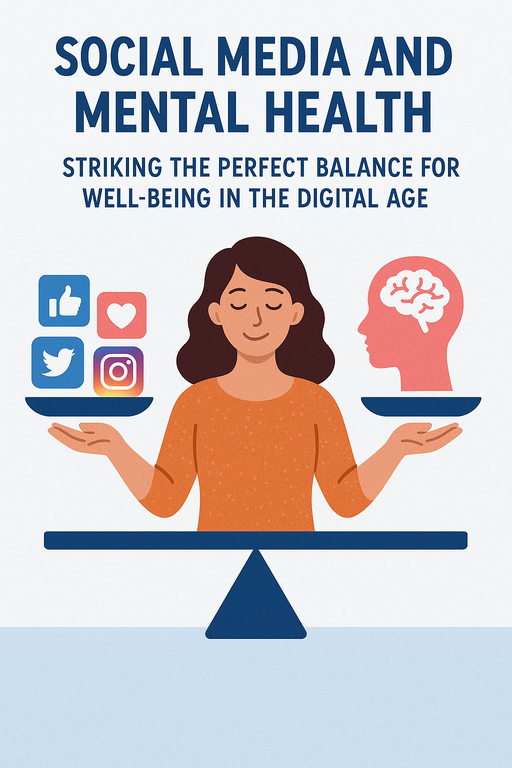
Social media is a powerful tool—but like all tools, its impact depends on how you use it. By setting clear boundaries and being mindful of your online habits, you can enjoy the benefits of social media without sacrificing your mental well-being. Finding balance is not about quitting entirely—it’s about using it with intention.













Post Comment