Personal Finance Tips for Beginners: Budgeting, Saving, Debt & Credit Score Guide

Personal Finance Tips for Beginners: Budgeting, Saving, Debt & Credit Score Guide
Let’s dive in and start mastering your money—step by step.
1. Budgeting: Take Control of Your Money
Creating a budget is one of the most powerful steps you can take toward financial freedom. Whether you’re trying to stop living paycheck to paycheck or simply want to be more mindful about your spending, these budgeting tips for beginners will help you gain control and confidence with your money.
Why Budgeting Matters
Budgeting gives you a clear picture of where your money goes and helps you align your spending with your values and goals. It prevents overspending, reduces stress, and creates room for saving and debt repayment.
How to Start Budgeting (Even If You’re New to It)
1. Track Your Spending
Begin by tracking every expense for 30 days. Use a notebook, spreadsheet, or free apps like Mint or YNAB. You can’t improve what you don’t measure.
2. Calculate Your Total Income
Include all income sources: salary, freelance work, child support, side gigs, etc. This gives you your monthly spending limit.
3. Apply the 50/30/20 Rule
Use this beginner-friendly method to allocate your income:
-
50% – Needs (rent, groceries, utilities)
-
30% – Wants (dining out, entertainment)
-
20% – Savings & Debt Repayment
4. Set Realistic Financial Goals
Create short- and long-term goals like “save $1,000 for emergencies” or “pay off credit card in 6 months.” Goals give your budget a purpose.
5. Choose a Budgeting System
Pick a method that fits your style:
-
Zero-Based Budgeting – Every dollar has a job
-
Envelope System – Cash-based budgeting for categories
-
App-Based Budgeting – Use tools to automate and track
Maintain & Adjust Your Budget Monthly
Your budget is a living document. Revisit it monthly to adjust for changes like unexpected expenses, new income, or shifting priorities.
Quick Budgeting Tips for Beginners:
-
Automate your bills and savings
-
Review subscriptions you don’t use
-
Set spending limits for “fun money”
-
Include a buffer for surprise expenses

2. Saving Money: Build a Safety Net for the Future
Saving money isn’t just about cutting expenses—it’s about creating stability, reducing stress, and preparing for what life throws your way. Whether you’re building your first emergency fund or trying to reach a big goal, these saving money tips for beginners will help you start strong.
Why Saving Matters
Most Americans can’t cover a $1,000 emergency without going into debt. Saving helps you avoid that trap. It gives you options, confidence, and a financial cushion when you need it most—whether it’s a job loss, car repair, or medical bill.
Start with an Emergency Fund
Your top savings priority should be creating an emergency fund. This is money set aside strictly for unexpected expenses.
How Much Should You Save?
-
Beginner Goal: $500–$1,000
-
Long-Term Goal: 3–6 months of living expenses
Automate Your Savings
Make saving effortless by setting up automatic transfers from your checking account to your savings account every payday.
-
Start small—$10, $25, or $50 per paycheck
-
Schedule transfers right after you get paid
-
Increase the amount gradually as your income grows
Save with Purpose
Having a goal makes saving easier and more rewarding. Name your savings accounts based on your goals, like:
-
🚗 “Car Repair Fund”
-
🎁 “Holiday Shopping”
-
🏠 “First Home Deposit”
Use visual trackers or apps that show your progress—it keeps motivation high.
Additional Saving Tips for Beginners:
-
Cancel unused subscriptions
-
Meal prep to reduce takeout costs
-
Set a 24-hour rule before non-essential purchases
3. Debt Management: Breaking Free Without Stress
Carrying debt can feel like a constant weight on your shoulders, but with the right approach, you can tackle it systematically and stress-free. These debt management tips for beginners will help you understand your debt, choose an effective payoff strategy, and stay motivated on your journey to financial freedom.
Understand Your Debt
Before you can pay off debt, you need a clear picture of what you owe:
-
List Every Debt:
-
Creditor name
-
Outstanding balance
-
Interest rate
-
Minimum monthly payment
-
-
Categorize Debt:
-
Good Debt: Low-interest, investment-oriented (e.g., student loans, mortgages)
-
Bad Debt: High-interest consumer debt (e.g., credit cards, payday loans)
-
Choose a Debt Payoff Strategy
Two popular methods make paying off debt manageable and motivating:
1. Snowball Method
-
How it Works: List debts from smallest balance to largest.
-
Process: Pay the minimum on all debts, then throw extra cash at the smallest debt.
-
Benefit: Quick wins build momentum and confidence.
2. Avalanche Method
-
How it Works: List debts by interest rate, highest to lowest.
-
Process: Pay minimums on all debts, then apply extra funds to the debt with the highest interest.
-
Benefit: Saves the most money on interest over time.
Additional Debt-Slaying Tips
-
Consolidate or Refinance: Combine multiple high-interest debts into one lower-interest loan or balance-transfer card to simplify payments and reduce interest.
-
Negotiate with Creditors: Call your lenders to request lower interest rates or more flexible payment terms.
-
Use Windfalls Wisely: Apply tax refunds, bonuses, or gifts directly to your debt balances.
-
Avoid New Debt: Pause credit-card spending and defer non-essential loans until existing debts shrink.
4. Credit Scores: Build and Protect Your Financial Reputation
Your credit score is more than just a number—it’s a reflection of your financial trustworthiness. Whether you’re applying for a loan, renting an apartment, or even landing a job, your score plays a crucial role. These credit score tips for beginners will help you build a solid credit foundation, fix errors, and protect your financial future.
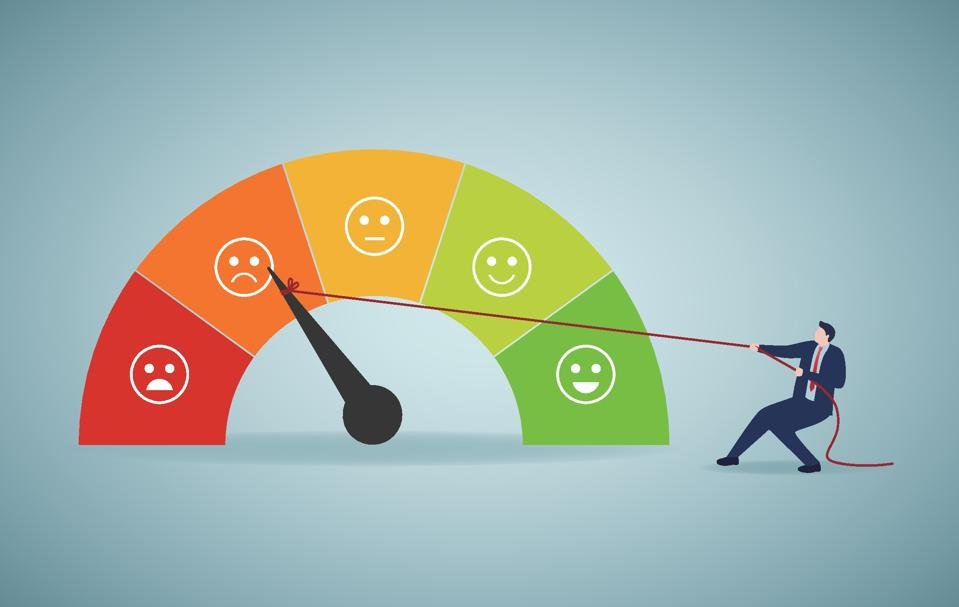
What Is a Credit Score?
A credit score is a three-digit number ranging from 300 to 850, used by lenders to evaluate your creditworthiness. The higher your score, the more likely you are to get approved for credit at favorable terms.
Credit Score Ranges:
-
800–850: Excellent
-
740–799: Very Good
-
670–739: Good
-
580–669: Fair
-
300–579: Poor
What Affects Your Credit Score?
Understanding the five key factors that determine your credit score is essential:
-
Payment History (35%) – Always pay bills on time.
-
Credit Utilization (30%) – Keep balances below 30% of your credit limit.
-
Length of Credit History (15%) – Older accounts help boost your score.
-
Credit Mix (10%) – A mix of credit cards, loans, etc., is favorable.
-
New Credit (10%) – Too many recent inquiries can hurt your score.
How to Build and Improve Your Credit Score
1. Start with a Secured Credit Card
If you’re new to credit or rebuilding, a secured credit card is a great entry point. Use it for small purchases and pay the balance off in full each month.
2. Make Payments On Time
Set up automatic payments or reminders to never miss due dates.
3. Keep Credit Utilization Low
Try to use no more than 30% of your available credit. For example, if you have a $1,000 credit limit, keep your balance under $300.
4. Don’t Close Old Accounts
Even if you don’t use them, older accounts contribute to your credit age and help your score.
5. Check Your Credit Report Regularly
Review your reports at AnnualCreditReport.com for free from all three bureaus (Equifax, Experian, TransUnion). Dispute any errors immediately.
Quick Credit Score Tips for Beginners
-
Limit hard inquiries (loan/credit card applications) to when necessary
-
Become an authorized user on a trusted family member’s credit card
-
Ask for a credit limit increase (if your income supports it)
-
Pay off credit cards early, even before the billing cycle ends
Protect Your Score
Your credit is valuable. Protect it by:
-
Freezing your credit if you’re not applying for new accounts
-
Avoiding payday loans or other predatory lenders
-
Reporting fraud or identity theft immediately
Conclusion
Mastering your personal finances isn’t about making six figures—it’s about being intentional with the money you have. Start with a simple budget, save consistently, tackle debt smartly, and protect your credit. Your future self will thank you.
Share this content:













Post Comment