Healthy Eating on a Budget: Tips & Tricks

Healthy Eating on a Budget: Tips & Tricks
Eating healthy doesn’t have to mean spending a fortune on organic superfoods or specialty meal kits. With a little planning and strategy, you can fuel your body with nutritious meals—without draining your wallet. If you’re trying to master healthy eating on a budget, these practical tips will help you make smarter, budget-friendly choices.
1. Plan Your Meals in Advance
Why it works: Meal planning helps reduce impulse buys, food waste, and last-minute takeout orders.
How to start:
-
Choose 3–5 meals for the week and base your grocery list around those.
-
Focus on versatile ingredients that can be used in multiple dishes (e.g., rice, beans, eggs, greens).
Tip: Use a digital meal planning app or a simple notebook to stay organized.
2. Shop with a List—And Stick to It
Why it works: Grocery lists keep you focused and cut down on unnecessary spending.
How to do it:
-
Make your list based on planned meals.
-
Avoid shopping when hungry—this leads to expensive snack splurges.
Bonus Tip: Check your pantry first to avoid buying duplicates.
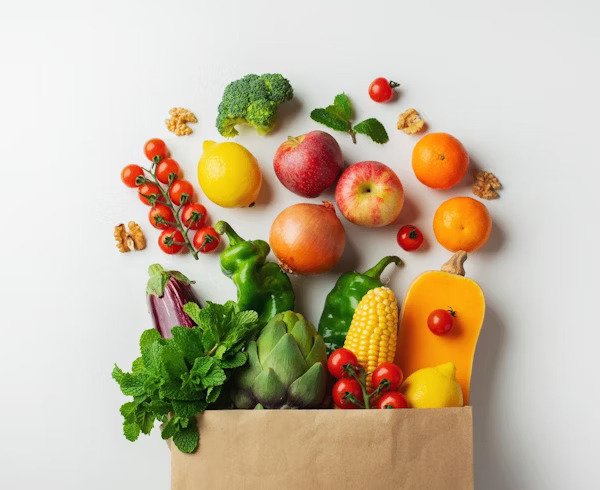
3. Buy Whole Foods in Bulk
Why it works: Whole, unprocessed foods like oats, beans, lentils, and brown rice are cheap, filling, and healthy.
Best items to buy in bulk:
-
Dried beans and legumes
-
Whole grains
-
Frozen fruits and vegetables
-
Nuts and seeds (watch for sales!)
Tip: Avoid pre-packaged or single-serving versions—they cost more per ounce.
4. Embrace Frozen and Canned Options
Why it works: Frozen and canned fruits/veggies are just as nutritious as fresh—and often cheaper and longer-lasting.
What to look for:
-
Frozen vegetables with no added sauces
-
Canned beans and tomatoes (low-sodium preferred)
-
Fruit canned in water or natural juice, not syrup
Myth buster: Frozen doesn’t mean less healthy—it’s often flash-frozen at peak ripeness.
5. Cook More, Eat Out Less
Why it works: Restaurants and takeout meals are far pricier than home-cooked food.
How to do it:
-
Batch cook on weekends and freeze portions for later.
-
Pack your own lunches instead of buying them.
Budget hack: One meal out could fund 2–3 home-cooked meals.
6. Try Meatless Meals
Why it works: Meat is one of the most expensive items in many diets. Plant-based proteins are cheaper and still satisfying.
Great plant-based protein sources:
-
Lentils, chickpeas, black beans
-
Tofu or tempeh
-
Eggs and Greek yogurt
Start small: Try “Meatless Mondays” or swap ground beef with lentils in tacos.
7. Learn to Love Leftovers
Why it works: Leftovers save time and reduce food waste—a major money drain.
How to make them exciting:
-
Turn last night’s roasted veggies into a frittata or stir-fry.
-
Use cooked grains as the base for grain bowls or wraps.
Pro tip: Store leftovers in clear containers so you actually remember to eat them.
conclusion
You don’t need to be rich to eat well. With these simple strategies, healthy eating on a budget becomes not just possible—but sustainable. Start with one or two changes, and build from there. Your body (and bank account) will thank you.
Share this content:














Post Comment